









Filtration in Machine Tools
Why is filtration so important in machine tools?
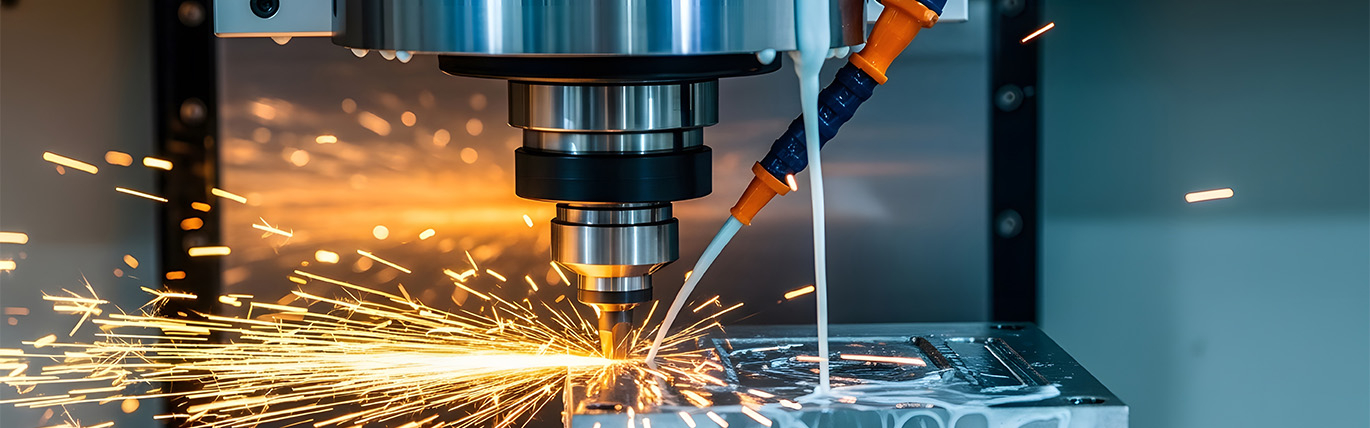
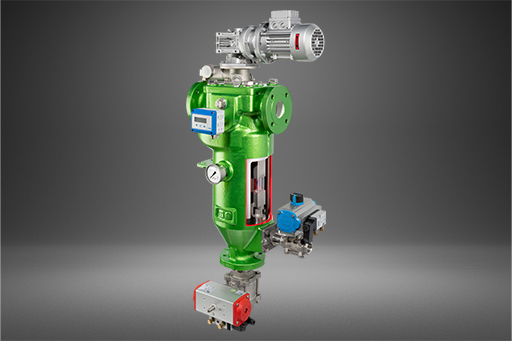
Filtration ensures that cooling lubricants, hydraulic oils, and process air remain free of chips, abrasion, and fine particles. Clean media guarantee stable machining processes, protect sensitive machine components, and ensure consistently high manufacturing quality. At the same time, efficient filtration helps reduce machine downtime and increase system availability.
ISO Cleanliness Classes in Oil Filtration
What role do ISO cleanliness classes play in oil filtration?
ISO cleanliness classes—for example, according to ISO 4406—define the permissible particle concentration in hydraulic and lubricating oils. Compliance with these cleanliness classes is crucial for the reliable operation of valves, pumps, and bearings. Modern filtration systems ensure that the required oil cleanliness is maintained permanently, thereby significantly reducing wear and the risk of failure.
Extending Tool Life
How can filtration extend the service life of tools and machines?
Contaminants such as metal shavings, fine dust, or oil mist lead to increased wear on tools, bearings, and seals. Continuous filtration removes these particles from fluids and air. This reduces mechanical stress and significantly extends the service life of tools, filters, and machine components.
Reducing Machine Downtime
How does filtration help reduce machine downtime?
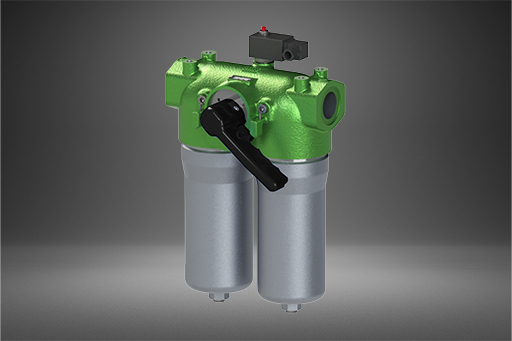
Contaminated coolants or hydraulic oils can lead to malfunctions, clogged lines, or damaged components. High-performance filter systems prevent such problems by reliably removing particles from the system. Additionally, redundant systems such as dual-switch filters allow maintenance to be performed during operation, minimizing unplanned machine downtime.
Filtration Media in the Machine Tool Industry
Which media are typically filtered in the machine tool industry?
In metalworking, various media are filtered, including:
- Cooling lubricants (emulsions and cutting oils)
- Hydraulic and gear oils
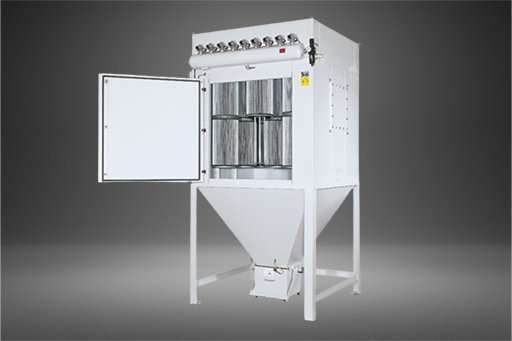
- Process and exhaust air from machine tools
- Dust and fine particles from dry machining processes
- Oil aerosols from cutting and grinding processes
Appropriate filtration ensures that these media can be reused while protecting machines, tools, and personnel.
Economic Advantages of efficient filtration
What are the economic advantages of efficient filtration?
Optimized filtration reduces media consumption, maintenance costs, and unplanned downtime. At the same time, it extends the service life of tools, machine components, and filters. This lowers operating costs while increasing productivity and process reliability in manufacturing.